
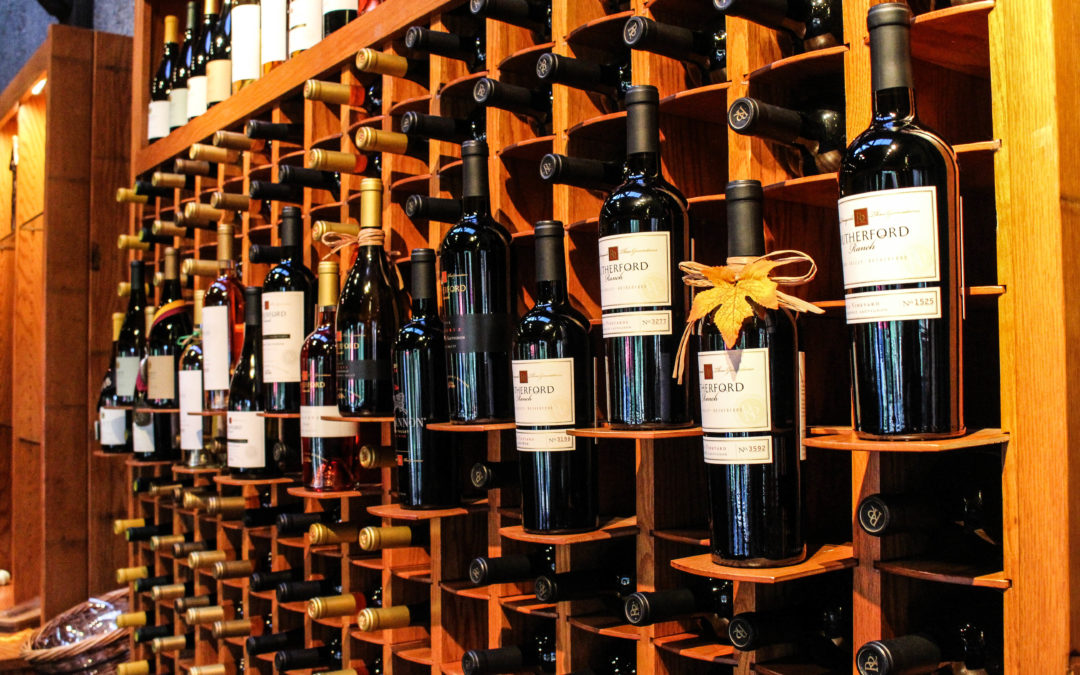
Many Napa Valley wineries now ask guests to book a tasting appointment, and that one step shapes the rest of a first visit. A first Napa Valley wine tasting goes best with a reservation, two or three planned stops, a ride arranged in advance, and comfortable layers. Tasting rooms welcome beginners and expect questions. This guide covers each step so the day feels relaxed rather than rushed.
How Do You Reserve a Napa Valley Wine Tasting?
Book your tasting in advance. Many Napa Valley wineries operate by appointment, and popular tasting rooms can fill quickly, so a reservation protects your time slot. Most wineries take bookings through their website. You can book a tasting at Rutherford Ranch on the winery’s Visit page.
Rutherford Ranch also welcomes walk-ins, and the tasting room is pet and kid friendly. Booking online or calling ahead is always recommended, especially for larger groups or if you have questions about your visit.
A short checklist makes booking easier:
- Choose an experience that fits your interest and schedule, such as a seated tasting, a tour, or a pairing.
- Compare days if your plans are flexible. A weekday visit often offers more time choices and a quieter room.
- Confirm party size, arrival time, and the cancellation window before you book.
- Plan for the legal age requirement. Guests must be 21 or older to taste.
- Arrive a few minutes early so your host can start on time.
How Many Wineries Should You Visit in One Day?
Seated tastings are designed to be unhurried, and a packed schedule leaves little room to enjoy the wines, the setting, or the conversation with your host.
A few pacing habits help the day stay comfortable. Book your first appointment mid-morning and leave a buffer for drive time between stops. Eat a full meal at midday, not only snacks, and drink water between tastings. Treat each pour as a small taste. You do not need to finish every glass, and the spit bucket is there for exactly that reason.
The goal is to taste thoughtfully, not to cover the most ground. Fewer stops usually mean better memories of each one.
What Is Wine Tasting Etiquette?
Wine tasting etiquette comes down to courtesy and curiosity. Ask questions, take your time, and treat your tasting host as a guide rather than an examiner. There are no wrong answers about what you like.
- Ask freely. Hosts expect beginners. Questions about the grape, the vintage, or a word you have not heard before are part of the experience.
- Use the spit bucket. It is common and expected. Stand close and aim carefully so the wine lands cleanly.
- Go light on fragrance. Strong perfume or cologne competes with the aromas in the glass.
- Ask about tipping. Practices vary by tasting room, so your host can tell you what is customary.
- Buy what you enjoy. Purchasing a bottle is a choice, not an obligation.
How Do You Get Around Napa Valley Safely?
Arrange your transportation before your first tasting. Your options include hiring a driver or booking a guided tour, arranging a ride service, or naming a designated driver who skips tasting. Visit Napa Valley notes that a winery tour lets someone else handle the driving, and that the Napa Valley Wine Train is another way to see the valley.
Two planning tips help:
- Arrange your return ride before you arrive, so your plans do not depend on a last-minute booking.
- If you are staying overnight, choose lodging near the wineries you plan to visit so travel between stops stays short.
What Should You Wear to a Napa Valley Wine Tasting?
Wear comfortable, wine country casual clothing in layers. Visit Napa Valley describes the standard as relaxed, such as a sundress or nice jeans, and recommends bringing an extra layer because wine cellars can feel chilly.
Choose flat, closed-toe shoes if your visit includes a patio, gravel paths, or time outdoors. Bring a hat and sunscreen in warm months and a light jacket in cooler ones, and skip heavy fragrance, which can interfere with aroma.
Rutherford Ranch’s relaxed patio setting suits casual layers, so there is no need to dress up.
How Can You Enjoy Wine Without Feeling Intimidated?
Trust your own taste and ask questions. A tasting is a conversation, and hosts expect beginners. Visit Napa Valley suggests a simple routine: look at the color, swirl the glass to release aromas, smell, then sip and let the wine rest in your mouth.
A few plain terms are enough to start:
- Acidity: the freshness that makes your mouth water.
- Tannin: the gripping, drying feel found in many red wines.
- Body: how light or full the wine feels.
- Finish: how long the flavor lingers after you swallow.
Describe what you notice in your own words. “Cherry,” “cozy,” or “not for me” are all useful answers.
At Rutherford Ranch, a family-owned Napa Valley winery, that approach fits the setting: a relaxed tasting room and outdoor patio, with wines that include Cabernet Sauvignon, Bordeaux varietals, Sauvignon Blanc, and Chardonnay. When you are ready to plan, book a tasting at Rutherford Ranch, or preview what you might taste in the Rutherford Ranch wine collection.